Terminal information +info
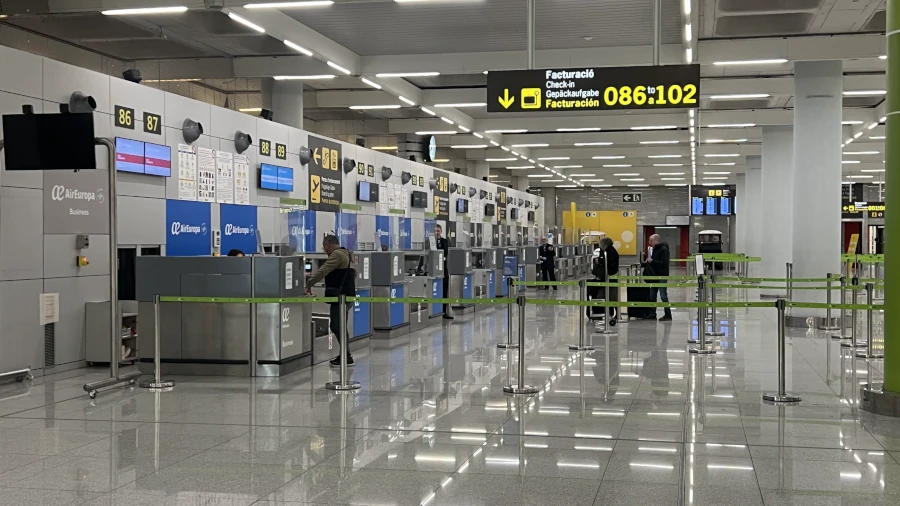
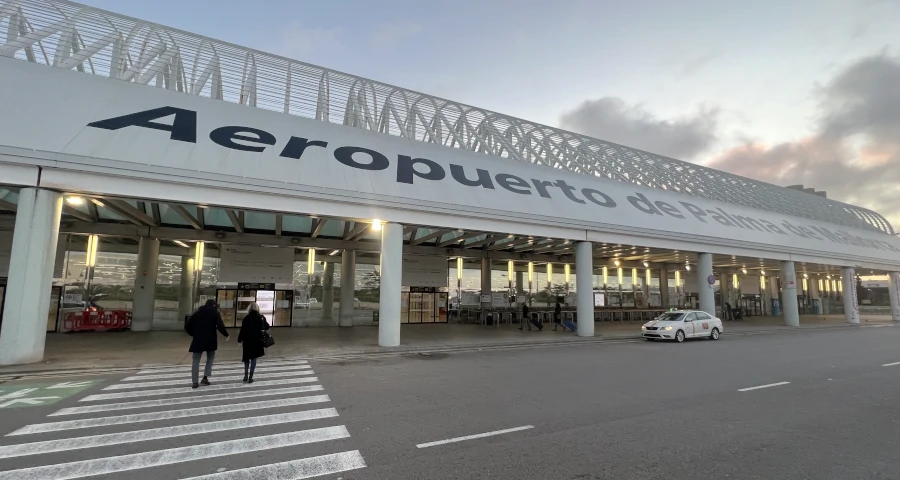
Palma de Mallorca Airport (PMI) features one large and modern passenger terminal divided into four modules: A, B, C and D.
The airport is specially designed to handle the huge seasonal traffic generated by tourism in Mallorca, becoming one of Spain’s busiest airports during summer.
Module A mainly serves Non-Schengen and international flights, while the other modules handle domestic and European routes.
Travelers will find extensive shopping areas, restaurants, VIP lounges, family facilities and excellent connections between all boarding areas.
Reviews +info
On this website, you will find valuable tips and reviews about Palma de Mallorca Airport, designed to help you navigate your travel experience smoothly. These reviews can help you understand what to expect in terms of service quality, cleanliness, and overall passenger experience.
-Our Review of Palma Airport
-Pros and Cons of PMI Airport
-Mini-Guide of the Airport (2’ Guide)
-Other reviews
-Some Stats
Transport +info
Palma de Mallorca Airport (PMI) is well connected to Palma city centre and the island’s main tourist resorts through a wide range of transportation options.
Travelers can choose between public buses, taxis, private transfers and car rental services directly at the terminal. Bus routes connect the airport with popular destinations such as Palma, Magaluf, Alcúdia and Cala d’Or, especially during summer.
Renting a car is one of the most recommended options for visitors planning to explore Mallorca’s beaches, villages and coastal roads freely.
Contact
Palma de Mallorca Airport Contact Information
Below you can find the main contact information for Palma de Mallorca Airport (PMI), including airport assistance and Lost & Found services for misplaced baggage and personal belongings.
Airport Contact
Palma de Mallorca Airport (PMI)
07611 Palma, Mallorca, Balearic Islands, Spain
Phone: +34 913 211 000
Official Website: www.aena.es
Lost & Found
Lost property services are available inside the terminal building.
Phone: +34 971 789 456
Opening Hours: Usually aligned with airport operations
Passengers who lost checked baggage should contact their airline or handling agent directly.
About Palma de Mallorca
Mallorca is the largest of Spain’s Balearic Islands and one of the Mediterranean’s most popular destinations, famous for its beautiful beaches, mountain villages, turquoise coves and vibrant nightlife. Arriving through Palma de Mallorca Airport (PMI), visitors gain quick access to a diverse island that combines luxury resorts, historic towns, outdoor adventures and authentic Mediterranean culture.
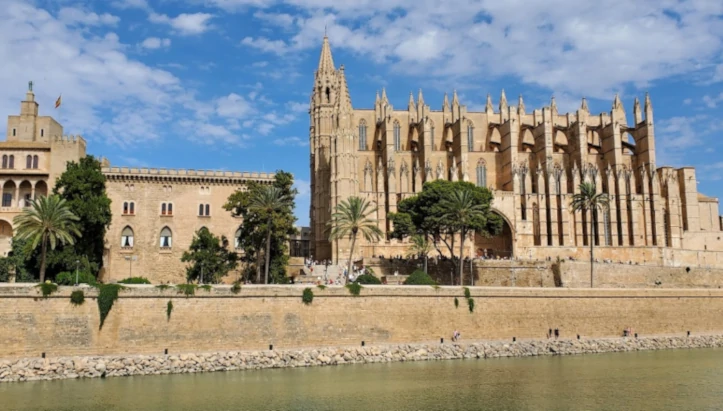
The capital city, Palma, is usually the first stop for many travelers. Palma offers a perfect mix of history, shopping, gastronomy and seaside atmosphere. The impressive Cathedral of Santa Maria, also known as La Seu, dominates the waterfront and is one of the island’s most iconic landmarks. Nearby, the old town features charming narrow streets, local boutiques, traditional patios and lively squares filled with cafés and restaurants. Palma is also known for its marina, luxury hotels and excellent nightlife.
Beyond Palma, Mallorca offers very different experiences depending on the area you visit. The southwest coast is famous for lively resorts such as Magaluf, Santa Ponsa and Palmanova, popular among younger travelers and families looking for beaches and entertainment. In contrast, the north of the island, including Alcúdia and Pollença, is quieter and ideal for families, cyclists and travelers seeking beautiful beaches and historic surroundings.
One of Mallorca’s greatest attractions is the Serra de Tramuntana mountain range, a UNESCO World Heritage Site located along the northwest coast. Villages such as Valldemossa, Deià and Sóller are among the island’s most picturesque destinations, offering stunning mountain scenery, traditional stone houses and spectacular coastal roads. The vintage wooden train connecting Palma and Sóller is one of Mallorca’s most famous tourist experiences.
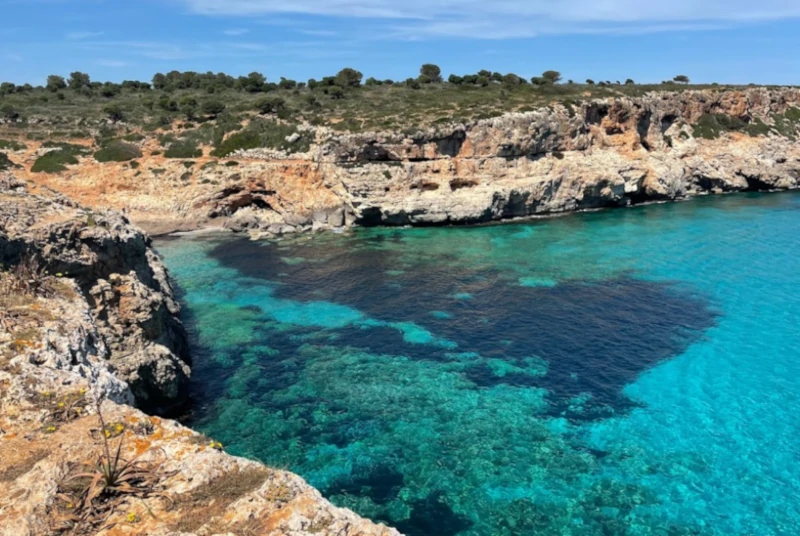
Mallorca is also well known for its hidden coves and crystal-clear beaches. Cala d’Or, Cala Millor, Es Trenc and Cala Mondragó are among the most popular beach destinations. Renting a car is highly recommended for travelers wanting to explore the island freely, as many of the best beaches and viewpoints are located away from the main tourist areas.
Public transportation on the island is good between Palma and major resorts, especially during summer. Buses connect Palma Airport with most popular tourist destinations, while trains from Palma serve towns such as Inca, Sa Pobla and Manacor. However, for maximum flexibility and access to remote beaches or mountain villages, car rental remains one of the best options.
Mallorca is also an excellent destination for outdoor activities. Cycling tourism is extremely popular, especially during spring, when thousands of cyclists visit the island for its scenic mountain routes. Hiking, sailing, diving and boat excursions are also widely available. During summer, beach clubs and boat tours become some of the island’s most sought-after experiences.
The island hosts several local festivals throughout the year, particularly during summer. Traditional village celebrations, night markets and open-air concerts offer visitors the opportunity to experience authentic Mallorcan culture beyond the resorts.
For first-time visitors, a great route is to combine Palma, the Tramuntana mountains and a coastal beach area during the same trip. Mallorca is much more than just a beach destination — it is an island that combines Mediterranean relaxation, nature, gastronomy and culture in one of Europe’s most attractive holiday settings.